
Secrets of Longevity: Healthy Living Habits from the World’s Longest-Living People
Discover proven longevity habits from the world’s longest-living communities. Learn how healthy living, purpose, relationships, and happiness add years to life.
Many doctors are often asked a simple yet profound question:
“How can I live longer and stay healthy?”
Of course, many people come to hospitals seeking treatment for diseases they already have. But wouldn’t it be far better if we focused more on preventing illness before it begins? Imagine a healthcare system — and a society — that prioritizes prevention over cure, helping people avoid disease rather than only treating it after it appears.
As the incidence of cancer, the modern epidemic of diabetes, and the silent yet deadly threats of hypertension and dyslipidemia continue to rise, we are faced with an important question:
Isn’t it time we pause, reflect on our lifestyle, and make meaningful changes?
Changes that don’t just add years to our lives,
but truly add life to our years.
Because real health is not just about living longer —
it’s about living better, stronger, happier, and more fully.
Many people expect the answer to involve expensive tests, modern medicines, supplements, or the latest health trends. But some of the most powerful insights into long life come not from high-tech hospitals — but from ordinary communities across the world.
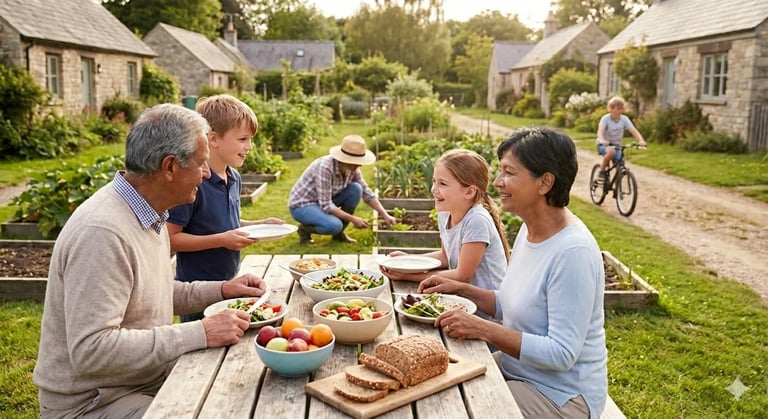
Researchers from National Geographic, led by Dan Buettner, identified certain regions known as “Blue Zones” or Hotspots of Longevity — places where people live longer, stay healthier, and remain happier well into old age. These include Okinawa (Japan), Sardinia (Italy), Ikaria (Greece), Nicoya (Costa Rica), and Loma Linda (USA). Scientists studied these communities to understand how lifestyle, food habits, social connections, purpose, and mindset contribute to exceptional longevity. Surprisingly, their long lives are not built on advanced healthcare or technology, but on simple living, strong relationships, daily movement, meaningful work, healthy eating, and emotional well-being.
What moved me most as a physician is this realization:
These people don’t just live longer — they live better.
They are not obsessed with youth. Instead, they focus on connection, purpose, balance, gratitude, and joy.
And perhaps the most powerful lesson of all is this:
Longevity is not just about chasing extra years — it’s about building a life that feels worth living.
Longevity Is Not About Perfection — It’s About How You Live Daily
In longevity hotspots, people don’t “work out.”
They simply move naturally throughout the day.
They walk to visit friends.
They garden.
They cook their meals.
They climb hills.
They stay active because movement is woven into life — not forced into a schedule.
As a doctor, I’ve seen patients spend money on gyms while spending most of their day sitting.
But these communities remind us:
Your body doesn’t need extreme workouts — it needs daily movement.
A morning walk.
Taking stairs.
Doing household chores.
Playing with children.
Working in nature.
Small movements, repeated every day, add up to a longer, healthier life.
Strong Relationships Protect the Heart — Emotionally and Physically
One of the most touching findings from longevity research is the power of human connection.
People in these regions are rarely lonely.
They stay connected to:
Family
Friends
Neighbours
Community
Elders
Faith groups
In Okinawa, lifelong friend circles support one another emotionally.
In Sardinia, elders are respected and remain socially active.
In Nicoya, families often live close together across generations.
As a physician, I can say this clearly:
Loneliness damages health — just like smoking or obesity.
Meanwhile, love, belonging, and companionship:
Reduce stress
Protect mental health
Improve immunity
Promote longer life
Sometimes, the best medicine is not a pill — but a conversation, a hug, or a shared meal.
Happiness Is Built Through People — Not Through Screens
Modern society tells us happiness comes from:
Money
Technology
Social media
Online validation
But longevity communities show a very different truth.
Their happiness comes from:
Talking face-to-face
Sharing meals
Celebrating together
Helping neighbours
Spending time outdoors
Laughing with loved ones
Technology can be useful — but over-dependence steals our time, attention, and emotional connection.
We often sit together in the same room — yet feel miles apart because of our phones.
If we truly want to live longer and happier:
Spend more time talking than scrolling
Choose real conversations over digital noise
Encourage children to play outdoors
Make family time screen-free
Happiness grows in real life — not on a screen.
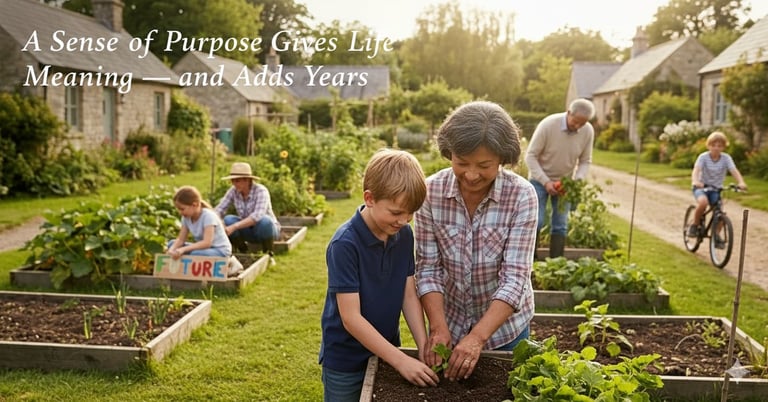
A Sense of Purpose Gives Life Meaning — and Adds Years
In Okinawa, people speak of Ikigai — a reason to wake up each morning.
In Nicoya, it’s called Plan de Vida — a purpose for living.
People who live long often feel needed.
They care for grandchildren.
They garden.
They teach.
They volunteer.
They serve others.
As a doctor, I have seen patients deteriorate faster after retirement when they feel their life has lost meaning.I have witnessed my dad age beautifully when he still continued to work till he was 82 years old and his life was purpose driven till the very end.
Purpose in lives gives:
Emotional strength
Motivation
Mental resilience
Hope
Longevity
You don’t need a grand mission.
Sometimes, being useful, kind, and engaged is purpose enough.
They Don’t Eliminate Stress — They Release It Daily
Stress is unavoidable.
But what matters is how we handle it.
In longevity regions, people release stress regularly, not occasionally.
They:
Pray
Meditate
Take afternoon naps
Walk peacefully
Laugh with friends
Rest on sacred or family days
Spend time in nature
Chronic stress accelerates aging, weakens immunity, and damages the heart.This has been proven scientifically without any doubt that stress induces inflammation and acclerates aging.
But daily relaxation slows aging and protects health.
Even a few minutes of silence, prayer, deep breathing, or gratitude can calm the mind and heal the body.
Their Food Is Simple, Traditional, and Mindful
Longevity diets are not trendy or complicated.
They eat:
Vegetables
Fruits
Beans
Whole grains
Nuts
Home-cooked meals
Small portions of meat or fish
They avoid overeating and follow the habit of stopping before feeling completely full.
Their rule is simple:
Eat real food. Eat moderately. Eat mindfully.
As a physician, I often remind patients:
Food is either medicine — or future disease.
Faith, Community, and Gratitude Protect Emotional Health
Many long-living communities emphasize:
Spirituality
Gratitude
Respect for elders
Social traditions
Community support
These practices provide emotional safety and hope, even during hardship.
Faith, belonging, and gratitude reduce anxiety, improve mental health, and strengthen resilience.
A peaceful mind supports a healthy body.
Belonging and Putting Loved Ones First: A Hidden Key to Long Life
One of the most profound lessons from the Blue Zones project is that longevity is deeply tied to human connection. In the world’s longest-living communities, people don’t live in isolation — they live in strong families, close friendships, and supportive communities. Loved ones come first. Elders are respected, children grow up surrounded by care, and no one is left to face life alone.
From a medical perspective, this sense of belonging is more powerful than we often realize. Strong emotional bonds reduce stress, protect mental health, lower the risk of depression, and even improve heart health and immunity. In contrast, loneliness has been shown to increase the risk of chronic disease and early death.
In our modern world — where screens often replace conversations and busy schedules replace family time — we must consciously choose people over pressure, relationships over routines, and connection over convenience. Because in the end, it is not just how long we live, but how deeply we love and how well we belong that truly defines a long and meaningful life.
Technology Is Useful — But Should Never Replace Human Life
Technology is not harmful by itself.
But when it replaces human interaction, physical movement, and rest — it becomes unhealthy.
Today:
Families eat together but don’t talk
Children play online instead of outdoors
People scroll more than they walk
Sleep is replaced by endless content
Longevity cultures teach us a simple truth:
Live more in the real world than in the digital one.
Use technology to learn and connect —
but don’t let it control your time, emotions, or relationships.
Have you noticed how life has quietly changed without us even realising it?
I know many of my readers are Millennials, so this little exercise may resonate deeply with you.
Take a moment with me. Close your eyes for just 30 seconds… and travel back to your childhood — to a time before smartphones filled every spare second of our lives.
Think of a memory that makes you smile.
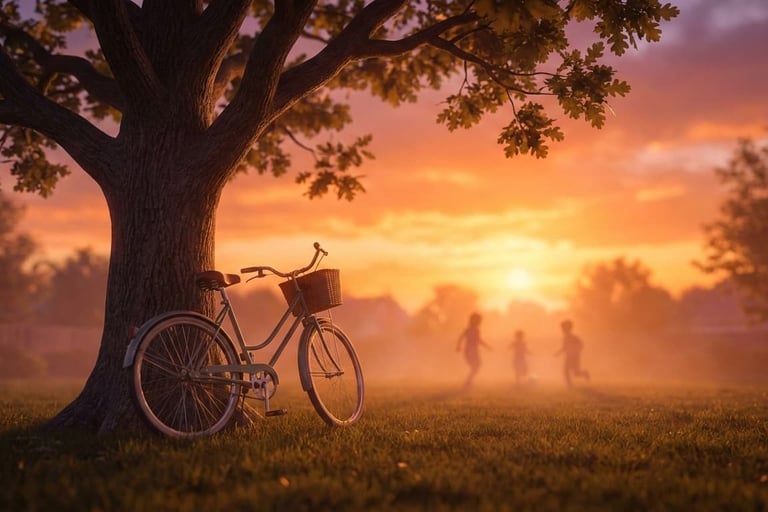
Maybe it’s an evening spent playing outside until the sky turned orange, a family trip, a festival, a simple meal, or laughter that needed no filter and no photograph to feel real.
I’m sure many such memories exist. Yet in our daily rush, we rarely allow ourselves to revisit them. Life today feels crowded — packed with tasks, notifications, deadlines, and endless scrolling. Even the little free time we get is often quietly claimed by our phones before we realise it.
Now ask yourself something honestly:
Did that memory you just revisited feel richer… fuller… more alive than many of the moments we collect today?
If your answer is yes, perhaps we need to relearn something we once knew naturally.
Let’s turn this into a small daily ritual.
Before going to bed, set aside a few minutes to keep your screens away and reconnect with real life — with memories that shaped you, moments that warmed you, or even simple joys from the present day.
You may slowly notice something beautiful happening:
a calmer mind, lighter stress, deeper gratitude, and a stronger sense of purpose in your life.
Sometimes, meaning isn’t something we have to search for.
Sometimes, it’s something we simply need to remember.
Can We Apply These Lessons in Our Modern Lives? Yes — Starting Today
You don’t need to move to a longevity hotspot.
You can start right where you are:
Walk daily
Eat home-cooked meals
Call a loved one
Laugh more
Sleep better
Stress less
Spend time offline
Serve others
Find purpose
Stay grateful
Longevity is not about adding years to life —
it’s about adding life to years.
A Doctor’s Final Thought
After years of treating patients, I’ve learned something important:
People don’t just die from disease.
Many suffer from loneliness, stress, purposelessness, and emotional exhaustion.
The real secret to long life is not found in a prescription pad.
It is found in:
Love
Movement
Purpose
Community
Gratitude
Simplicity
Meaning
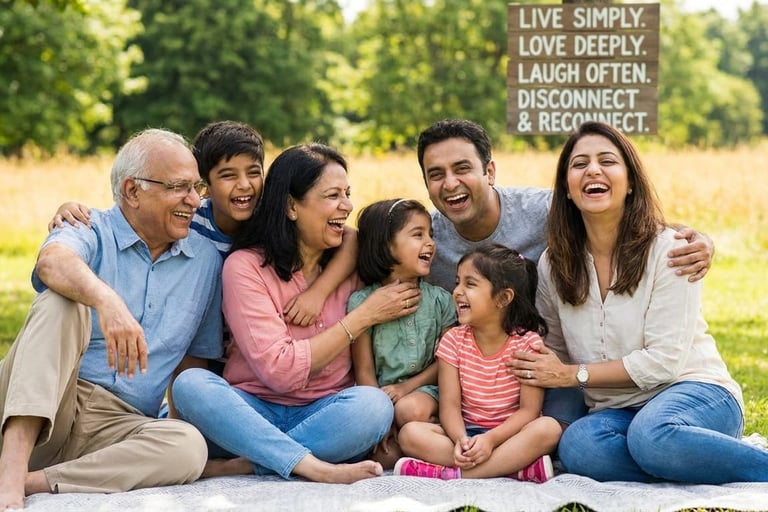
Live simply.
Move daily.
Eat wisely.
Love deeply.
Laugh often.
Disconnect from screens.
Reconnect with people.
Because in the end,
a long life matters — but a meaningful, joyful, connected life matters even more.



Health
Care
Mind
contactus@bobbyabraham.com